

How Long To Leave A Trail Camera Out
If a picture is worth a k words, than a video is the equivalent to an entire chapter. There is just so much that can exist learned from a video, and however only about xx percent of trail photographic camera users take advantage of this feature.
For those who are in the majority of the not video users, this complete guide from battery life and SD cards to video resolution and trigger speed, is designed to requite you all the needed information to taking the jump to using your trail camera's video manner.
When You Should Use Video Mode
The peachy thing about using video mode, is it can be used in near any situation. From monitoring a scrape, to a travel corridor during the heat, to open fields during the Spring when turkeys are strutting.
The just time in which I do non use video manner is when the camera is placed over some sort of supplemental nutrient source. Feeders, mineral sites, and bait piles are areas in which a big amount of deer will congregate for a substantial amount of fourth dimension. Running video on these types of sets, volition only issue in hours of continuous clips of the same doe and fawn feeding. Its not exactly much watch Tv set, and volition wear down your batteries and fill your SD card at a much faster step.
Video Resolution
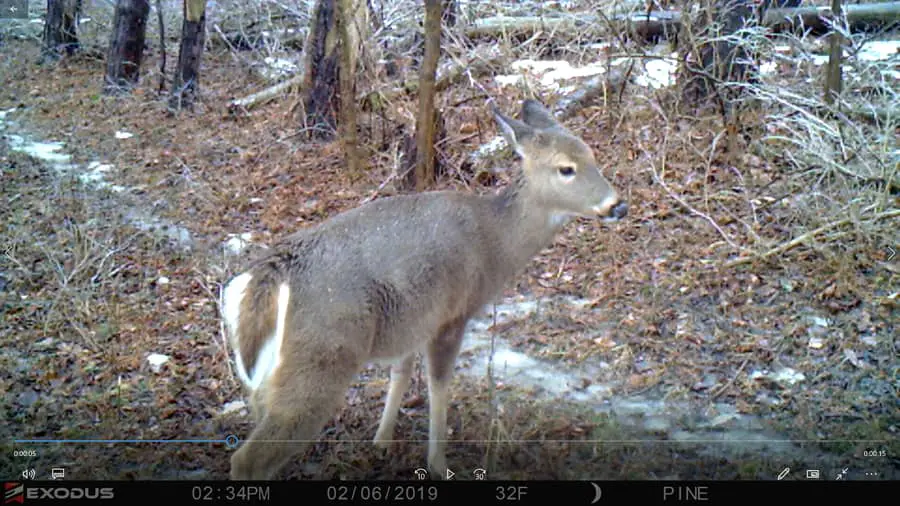
In that location is a lot of hype placed on the resolution of a video, and rightfully so, but I find that in full general most people do not realize what the resolution really means, other than information technology creates a more than articulate image. So, lets break down what resolution actually ways, and how information technology translates to trail cameras.
Progressive VS Interlaced
In well-nigh cases you volition see video resolution displayed as 1080p or 1080i, for example. In general it is of import to understand that the "p" does not correspond pixels. The "p" actually stands for progressive and in the case of 1080i, the "i" represents interlaced.
Both progressive and interlaced resolution is based solely on the style that the video is displayed while viewing it. These systems are based on the way the picture is painted on the screen. This action happens so speedily that you will never exist able to choice it upwardly with your centre.
An interlaced organisation paints all of the odd lines commencement and then goes back and paints all of the even lines. For instance it would paint lines 1, three, v,…..1079. And then go back and pigment all of the even lines betwixt them 2, iv, six,……1080. The trouble with most interlaced systems is that it causes a slight flicker in the screen. The only way to eliminate this problem was to increment the number of times a screen is painted per second.
Every bit technology increased, we take seen more companies go abroad from interlaced systems and move toward a progressive system, which paints lines on the screen in numerical society. In doing so, it eliminates the flicker that is sometimes perceived by interlaced systems, and information technology allows for the screen to exist painted at a faster prune per second.
Long story short, the "p" that is used as a suffix for the resolution has nothing to do with pixels but everything to practise with the way the video will exist displayed. Almost all trail cameras on today's market place will use progressive display systems.
Pixels
Equally nosotros have mentioned the number of pixels on a video has go quite a hot selling indicate for trail camera companies. Having more pixels on a screen at one fourth dimension, creates a well-baked articulate image. The clearer the image, the more detail that is bachelor, creating a better watching experience.
The number of pixels is described by how many horizontal columns by how many vertical rows a video volition produce. For case a 1920 ten 1080 would be displayed by having 1920 columns of pixels that are displayed from the left to right of your screen, and 1080 rows that would are displayed from top to lesser. The corporeality of actual pixels that are displayed would be calculated past multiplying the two numbers together ( 1920 10 1080 = 2,073,600 pixels).
Here are the most mutual video resolutions for trail cameras :
- 720p-1280 x 720, this is commonly referred to as HD resolution
- 1080p- 1920 ten 1080, is usually referred to as Full HD or FHD resolution
- 4k- 3840 x 2160, is known as Ultra HD or UHD reslution. Information technology is called 4k because the width is close to 4 thousand pixels and in the world of marketing 4k sounds better than 2160p.
When looking at a trail camera, the video resolution is merely what it is capable of capturing. The other side of the coin is to have a device that is able to play these resolutions. If your camera is recording in 4k capacity, but your computer you are watching the videos on is just able to brandish 1080, then yous will exist stuck watching the video in lower resolution, which is known every bit downsampling.
Frames Per 2nd
When talking about trail camera videos, frames per second, or FPS, is as important, and in my opinion more important than then the pixel resolution. Frames per 2nd is only the amount of frames that has been recorded for every second of video.
In its most simplest terms, the FPS is how many individual pictures are stitched together per second to create a video. The greater number of frames per second, the smoother the movement inside the video volition appear.
When nosotros discussed the difference betwixt progressive and interlaced systems we coined the term "painting" when the screen displays each line. That brandish is faster than we can run into, but the FPS is how many times every line tin be painted per second.
When nosotros begin to talk nigh 1080p at 30 frames per second that ways 32,400 lines are painted every 2nd of video (that is 62,208,000 pixels a second). This is such an astonishing speed, that videos with this quality are virtually seamless.
Most trail photographic camera manufacturers apply one of these video recording speeds:
- 15 Frames Per Seconds
- 30 Frames Per Second
- 60 Frames Per 2nd
The reason I personally feel that the frames per second is more important that the resolution, is merely because trail photographic camera manufacturers use the resolution as a marketing tool in order to sell more cameras. For instance, you volition frequently run into a trail camera company tout the ability to picture in 4k resolution but upon farther investigation they are only filming at xv frames per second.
To further emphasize this point, the following is a chart on how many lines are painted per 2nd of filming:
| 720p | 1080p | 4k | |
| 15 FPS | 10,800 | sixteen,200 | 32,400 |
| 30 FPS | 21,600 | 32,400 | 64,800 |
| 60 FPS | 43,200 | 64,800 | 129,600 |
As you can see the corporeality of lines that are painted per 2nd of film for a 4k resolution video at 15 FPS, is the same as the amount of lines painted for a 1080p video recorded at thirty frames per second.
It doesn't accept a lot of math to indicate out that the amount of pixels used on the 4k video will exist more, but information technology is important to understand that with more than frames per 2nd the smoother the motion will be, and in this example the 1080p video will be moving at a much quicker rate.
The same logic also applies to recording a video with 720p at thirty FPS versus 1080p at 15 FPS. When purchasing a trail camera, simply be aware of the frames per second, you will be more satisfied with the end results.
Video Length
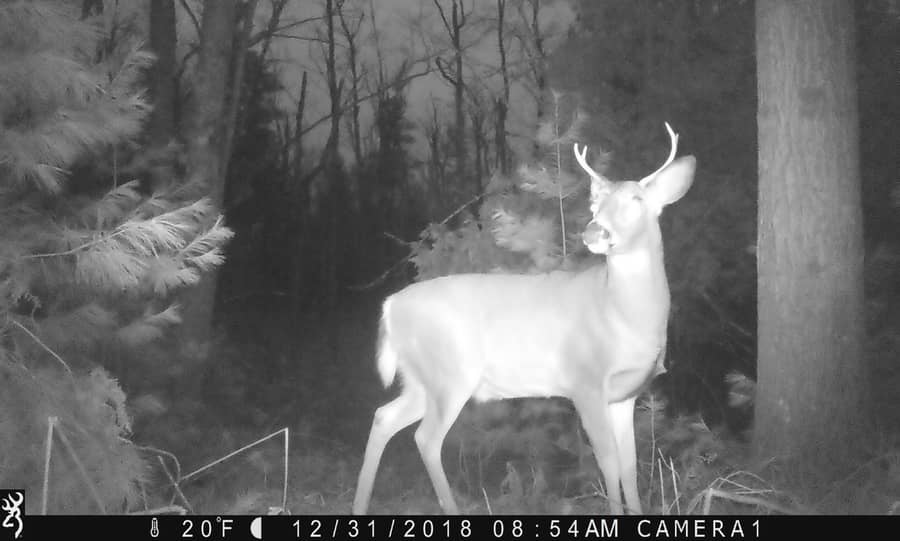
The length of video is an of import part of setting upward your trail camera'due south video. If you make the video also long, y'all are wasting valuable storage space. If you set your video too curt, yous might be missing a lot of action.
Setting the Length
Trail camera'due south on today's market range in video length from 5 seconds up to 5 minutes. Each manufacturer will have their ain length options that may vary from camera to photographic camera. V seconds and five minutes are the 2 extremes of video length, and neither are seemingly applicable to any situation.
The delay options of a camera are also of import depending on the situation. The filibuster is merely how long the camera volition go "dormant" after a video recording has concluded. In some situations where a deer may stay around the surface area, such equally a scrape or a watering hole y'all would desire to take a longer delay to avoid allowing i deer to make full up your bachelor storage infinite.
There is non a specific setting for each individual situation, but beneath are some examples of how I would set video manner based on the time of yr, and the terrain.
| Location | Fourth dimension of year | Video Length | Delay |
| Scrape | Oestrus | fifteen-20 Seconds | 2 Min. |
| Field Border | Summer | x-15 Seconds | 5 Min. |
| Creek Crossing | Winter | ten- 15 Seconds | 10 Sec. |
| Saddle | Heat | 30 -60 Seconds | 5 Sec. |
| Conifer Stand | Winter | 15- 20 Seconds | 2 Min. |
The length of video and the length of delay depend strictly on the corporeality of information I will demand and the length of fourth dimension a deer will stay in the immediate expanse.
For example a saddle during the oestrus volition be a longer video, just for the fact that a buck might be trailing behind a doe. The length of time it takes to trigger another video would take me worried nigh ending a video in hopes that another one would be able to trigger and capture a deer running close behind. The quick delay is based on the fact that in transition areas such equally a saddle deer will not tend to linger, so the ability to have another trigger quickly is to your reward.
Smart IR Video
In 2018 Browning trail cameras introduced a new patented applied science called Smart IR video that makes all of the give-and-take about video length a moot indicate. The smart IR video is a technology that is set upward to record video for as long as the beast is in forepart of the camera.
How information technology works is that it combines the use of the PIR sensor and the video. The PIR sensor, as well known as passive infrared sensor, is what detects both infrared heat and motion of that heat, and activates the trigger of your trail camera. By using the PIR sensor to observe heat and motion, Browning connected it to the video mode within the software of the camera.
When an fauna steps into the detection zone of a photographic camera, the video will record. When that aforementioned creature leaves the detection zone, the video will stop. Thus creating almost no footage of a blank screen. Saving yous fourth dimension watching, and space for storing unneeded videos.
Trigger Speed
When you run into the trigger speed advertised for a trail camera but know that the trigger speed they are advertising is for photos, and that it takes longer for a camera to brainstorm recording video.
How a trigger speed is measured is from the moment the camera detects heat and motion to the time it really begins to record onto the image sensor.
When an animal walks into the detection zone, the PIR sensor picks up both IR rut and movement of the heat. This detection activates what is known as the low-cal meter, which just reads the amount of lite that is in the immediate surface area.
The low-cal meter will and so relay that information to the exposure tables, which will calculate the amount of lite, and plug it into a previously written algorithm inside the software of the camera. That algorithm will brand the necessary adjustments to the camera'due south flash, shutter speed and ISO, in order to create the correct exposure for a quality moving picture.
A camera that advertises a very fast trigger speed from .3 seconds and faster, will probable take a video trigger speed close to around 1-1.v seconds. It is important to take that into consideration when hanging your trail photographic camera. Angling the photographic camera at a 45 caste, toward a trail, will permit the PIR sensor to detect an approaching beast quicker, and it allows the animal to stay within the field of view for a longer catamenia of time, making up for a slightly slower trigger speed.
Battery Life
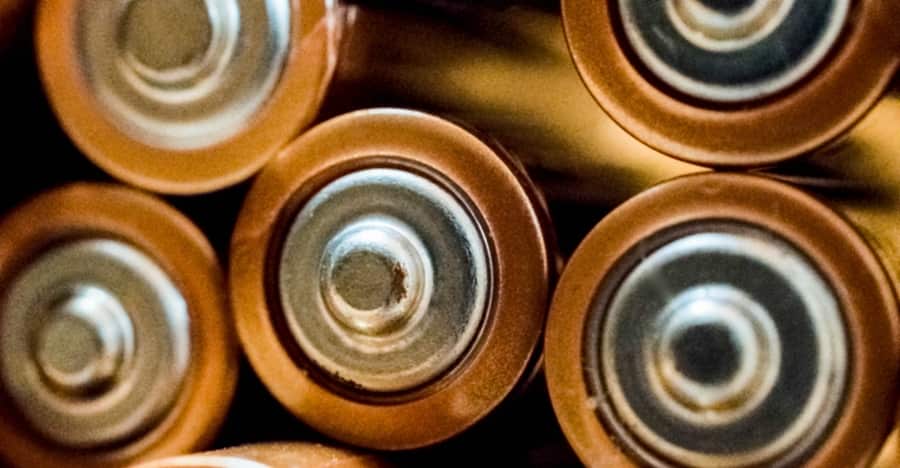
Going from basic trail photographic camera photo mode, to video mode, can greatly touch the amount of battery life you will encounter. Merely how much of a driblet in battery life volition you see? To be honest that depends on the photographic camera, and a host of other influences.
Lithium Batteries
If yous haven't heard by now, y'all need to use Lithium Ion batteries. Every trail photographic camera manufacturer recommends them over Alkaline and here is why.
About trail cameras run on a 12 volt system (8 batteries at 1.5v each). Alkali metal batteries accept a charge of 1.5v per battery, but every bit the battery is used, they take a fairly consistent charge per unit of loss of voltage. As the battery looses voltage, the camera that is designed to run on a 12 volt arrangement volition lose ability to some of the key components, such as power of flash, speed of trigger speed and distance of detection.
As the discharge continues, once the battery drops below 1.2v the camera will close off, not having enough ability to operate cardinal components.
Alkaline also uses a water based electrode, which means as temperatures begin to drop the chemical reaction within the bombardment brainstorm to slow down. And fifty-fifty worse when the weather begins to freeze, the water base electrodes will freeze likewise, creating a potential state of affairs where the battery might begin to expand and fissure.
Lithium Ion batteries on the other hand take a consequent output of voltage throughout their life cycle. As the battery uses energy, the chemical makeup, allows the bombardment to use the same corporeality of output until there is no more free energy to employ. Meaning you will have a consistent 1.5 output throughout the life cycle of the battery.
Lithium ion batteries are besides incredibly durable during cold atmospheric condition, having a common cold weather rating of -40F, which is much colder than most trail cameras are rated to operate.
Batteries: Video vs Photo
When comparison the bombardment consumption betwixt video and photo modes on your trail camera it is important to realize that each camera volition take different results, and that these are generic assumptions, based on 15 2d videos.
When a trail camera is at a resting country regardless of which mode you programme to employ, the camera is consuming the aforementioned amount of watts. The PIR sensor is tracking infrared oestrus and motion at the same output in both settings.
During daytime action, it has been noted that the with the aforementioned corporeality of triggers, video mode tin can consume upwards to 4 times the amount of watts every bit y'all would meet with photo modes.
At the same time, with the amount of triggers being equal, studies accept shown that video style will consume most x times the amount of wattage as photos manner, during night time.
The reason for this is simply because the photographic camera is more active when recording video. The artificial lights stay on at a longer rate, and the shutter stays open for much longer periods of time, creating the image sensor to take in more information.
All in all the battery life of your trail camera volition be almost 25% of what you volition see with camera modes. So if you regularly feel eight months of battery life in photo mode, y'all can expect roughly ii calendar month while using your camera to capture video.
SD Cards
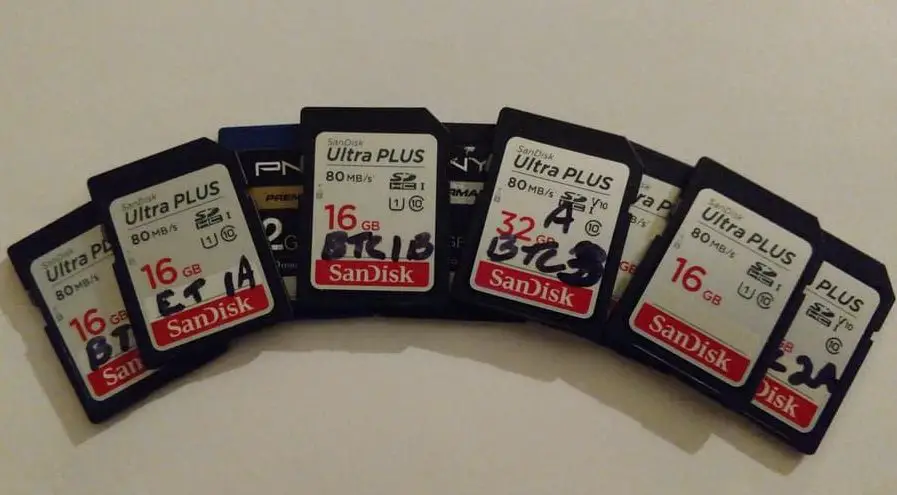
When you run your camera in video style, the most important things yous demand to take into account is the amount of storage that a video will take upwards on your SD menu, the type of SD carte, and how fast the menu will write. All iii of these are of import to recording and saving your trail photographic camera video.
SD Capacity
Lets start with the storage capacity of your SD Card. First of all I recommend but using SanDisk or Sony SD cards. There is a reason they are brand name products, because they have a history of being of better quality than all others.
The storage capacity of a SD carte is written in GB (gigabytes). Almost all trail cameras on today's market place accept an SD Carte up to 32GB and a few accept cards upwards to 512GB. Now this is just the maximum size a photographic camera can take, and doesn't hateful that is the size menu yous should use. There is of course many more than calculations to determine the size card yous should use.
While understanding the capacity for photos are pretty cut and dry, the amount of storage you volition demand for running your camera in video mode, takes a bit more work. An SD card'southward chapters for videos is determined by the Mega bits per second (Mbps) or bit rate. In general the college the bit charge per unit a camera takes, the higher the quality of the video. Most trail camera manufacturers do not provide the scrap rate of their cameras, but practise provide the video resolution.
The approximate bit rates for the near common video resolutions are as follows:
- 720p – 5Mbps
- 1080p – 8Mbps
- 4K – 25Mbps
There are a number of calculations that convert bit rates into storage chapters, all of which tin can become dull and unimportant the overall understanding of what size SD card you lot will demand. Below is a chart that will give you the storage capacity for judge minutes of recording fourth dimension.
| 720p | 1080p | 4k | |
| 4GB | 80 Minutes | 60 Minutes | xx Minutes |
| 8GB | 160 Minutes | 120 Minutes | 40 Minutes |
| 16GB | 320 Minutes | 240 Minutes | 80 Minutes |
| 32 GB | 640 Minutes | 480 Minutes | 160 Minutes |
| 64 GB | 1280 Minutes | 960 Minutes | 320 Minutes |
When setting your video length on yous trail camera it is important to sympathize the capacity of your SD carte du jour. If your SD card will only hold threescore minutes of video and you lot programme on setting the video length at 30 second clips, you volition only have the chapters for roughly 120 video clips. Over the course of a two month soak that is every bit little as two animals walking past your camera a day.
Speed Rating
The speed rating for trail cameras, is the speed in which video, or photos tin can be written to the SD card. For trail cameras, in that location are only two speed course ratings that you need to business yourself with: Speed class and Ultra High Speed Course (UHS Speed Class).
On SD cards y'all will find another classification that is named Video Speed Class. While nosotros are talking nearly writing recorded video to an SD card, it may seem confusing, only Video Speed class not merely is completely unnecessary, in most cases is not going to be uniform with your trail camera.
The rating for both Speed Class and Ultra Loftier Speed Course, tells united states how chop-chop the SD carte du jour tin write in megabits per second. The charts below evidence the speed rating per card.
| Speed Class | Megabits Per Second |
| ii | 2 MB/South |
| 4 | iv MB/Due south |
| six | six MB/S |
| eight | 8 MB/S |
| 10 | 10 MB/S |
| UHS Class | Megabits Per Second |
| ane | 10 MB/S |
| iii | 30 MB/Southward |
Applying the MBPS for each of the 3 main video resolutions by trail cameras, here is the recommended minimum speed course size needed for your trail camera:
- 720p – 5Mbps – Speed Form 6
- 1080p – 8Mbps – Speed Class 8
- 4k – 25Mbps- UHS Class three
SD Card Types
At that place are three main types of SD memory cards: Standard SD, SD High Capacity (SDHC), and SD Extended Capacity (SDXC). Each classification of SD memory cards has its own capacity size, speed rating, and compatibility. Here is a interruption down of each type of SD card:
- Standard SD- Accept a retention chapters of of 128MB to 2GB. These cards accept the ability to work in all devices that support standard SD, SDHC and SDXC. Standard writing speeds are 2, 4, 6, 8, and 10.
- SD High Capacity- Have a capacity between 4GB and 32GB. Cameras that are manufactured subsequently 2008 should be SDHC compatible. SDHC cards are not astern compatible, meaning they volition not work in devices that merely accept standard SD cards. They will however work in trail cameras that accept SD Extended Capacity.The speed rating for SDHC retentiveness cards comes in UHS speed class one or 3.
- SD Extended Capacity- Has capacities that range from 64GB- 2TB. While most trail cameras on the marketplace today have a 32GB chapters, college capacity units are becoming more popular as technology increases. These cards are non astern compatibile, so they will not work in trail camera units that are specifically designed for SDHC or standard SD cards. SDXC uses the same UHS speed class ranking of 1 or iii, that the SD loftier chapters bill of fare does. Substantially the but difference betwixt the two cards is the memory chapters.
Why you should use Video fashion
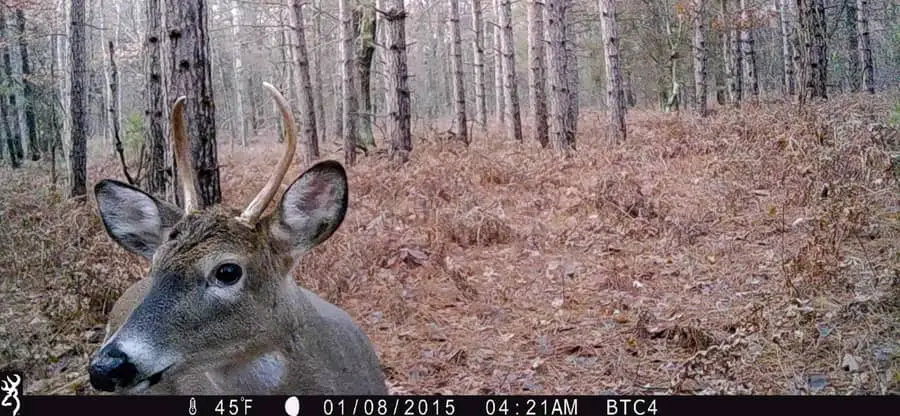
Using video on your trail camera can come up with a lot of benefits. Having the opportunity to see how animals react to 1 another is probably the most engaging.
Phonation
Every bit a hunter, information technology is benign to see and hear, grunts, wheezes, gobbles and other forms of interaction that animals accept with each other.
One dominate turkey might non make much racket, while another might be extremely vocal. The same goes for deer. You lot might hear 1 buck grunt in pursuit of a hot doe, merely some other cadet might not brand whatever racket what then always. All of this vocal information is important in pursuit of a specific animal.
Direction
When you apply your trail camera in photo mode, y'all run into a series of photos that you need to endeavor and piece together. Most of the time you will see the deer for a scattering of pictures and he will be gone. What management did he go, and where did he come from?
Equally you brainstorm to use video fashion, you will be able to pick out the speed and direction an creature moves on a more than consistent basis. While yous would possibly miss the torso language of a deer cutting off the trail and heading downwards a ridge with photos, video will give you the all of the fiddling intricate movements that help you pattern a deer better.
Motility Blur
If you have ever dealt with motion mistiness with trail camera photos, y'all know how frustrating information technology can be. The reason why movement mistiness occurs is just considering there is not enough light to manipulate a proper exposure. In society for a camera to capture motion, it must use a fast shutter speed, with the kickoff of allowing less low-cal into the image sensor, thus creating the blur.
With Video style, you lot will take the entire shutter speed out of the equation. When a video is activated on your trail camera, the shutter will remain broad open, in order to capture a seamless video. In doing then, all of the light within the immediate surface area, whether exist from the IR wink, or the nature light in the setting, will get directly to the image sensor allowing for a more than clear exposure. When you lot use video mode, you tin say practiced farewell to motion blur.
More than Fun
Using video is just simply more than fun, in the same way it is but more than fun (for most people) to lookout man a video than look at a picture book. You no longer have to use y'all imagination to play out the scenario, the entire encounter is displayed right in front of you lot.
The Drawbacks From Video Way
While there are plenty of reasons that you should employ video on your trail camera, if does come up with a few drawbacks. Most of which nosotros have already covered, merely here is a review of some of the key disadvantages:
- You volition experience a slower trigger speed, and will need to conform the bending of your camera to compensate.
- You will have equally low every bit 25% of battery life, from what yous would receive from photo modes
- You will need to utilize a higher speed class SD card with more GB in guild to store larger files
- Video mode should not exist used for every situation. Some situations such as mineral sites, and feeders will only eat up storage space on your SD card
- You will not have a photo to share, with friends or apply as a screen bask on your computer. This can exist remedied by checking out our article on How To Extract A Photo From A Trail Camera Video
Trail Camera Recommendations For Video Mode
I would be remissed if I didn't requite recommendations for a few trail cameras I accept constitute to be infrequent at recording video.
Browning Dark Ops Pro DCL
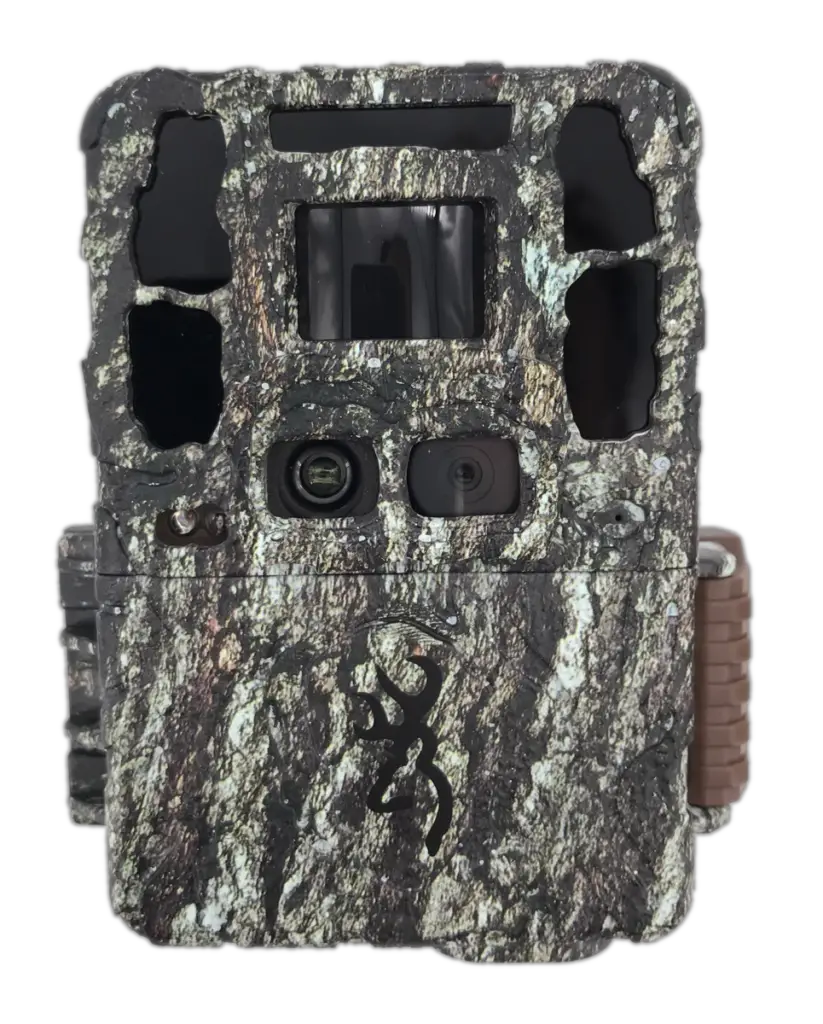
The Browning Dark Ops Pro is one of the amend trail cameras I have used for video. It comes with a dual lens technology that allows the camera to set all of the exposure tables to create the best of both 24-hour interval and dark time imagery. Recording at 1080p Full HD quality, it offers 60 frames per second, which is the best frame rate on the trail photographic camera market place.
The Dark Ops Pro XD also utilizes Browning's patented Smart IR Video mode, which means you volition never accept to prepare video lengths again.
With this model I would recommend using a SanDisk UHS Class ane, 32GB SD card. This will give you the recording speed needed with plenty of storage infinite for a couple of months worth of video.
Exodus Lift 2
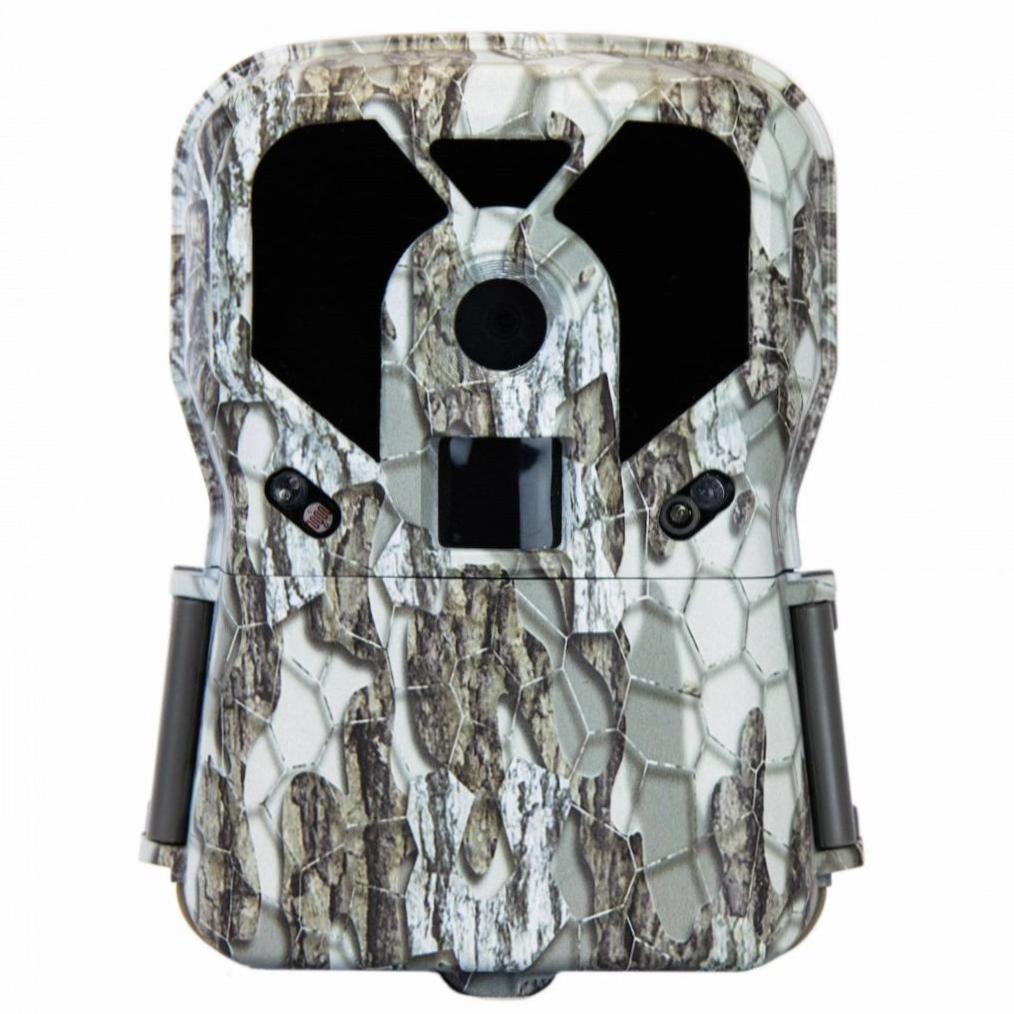
Exodus Lift 2 has a great video pick for trail cameras too. This camera, made by the visitor with the manufacture'south leading manufacturer warranty of v years, has incredible crisp videos, with unparalleled quality. Recording at 1080p Total HD, at thirty FPS, I hope you is one of the best on the market.
With this model, simply like the Dark Ops Pro XD I would recommend using a Sandisk UHS Course 1, 32GB SD menu. Although the battery life on this camera is so good, yous could probably utilize a 64 GB for longer soaks.
Source: https://www.trailcamjunkie.com/everything-you-need-to-know-about-trail-camera-video/
Posted by: schaferjoiny1967.blogspot.com
0 Response to "How Long To Leave A Trail Camera Out"
Post a Comment